Small Claims Edition · Planned
Prepare for small claims, from filing to collection.
A simulator that walks you through deciding, filing, serving, the hearing and collecting, with practice in front of an AI judge before the day that counts.
Planned edition—not playable on this website yet. The capabilities described below are concepts; features, pricing, and launch timing may change.
Sue like you’ve done it before.

75%
of winning claimants in one survey couldn't collect any part of their judgment

3–6 mo
how long most "small" cases take, some close to a year

41%
of non-attorney court users took time off work or school just to attend
Sources: NYPIRG Albany small claims survey; 2023 Massachusetts court user survey via IAALS; Michigan Courts DCI 84.
The problems it aims to address
Ranked by what's at stake
- 1
Winning doesn't mean getting paid
Step-by-step collection, garnishment forms and the 21-day clock, so a judgment becomes money.
- 2
Cases fail on procedure
Guided filing and a service tracker catch the wrong court, wrong defendant or bad service before they sink the case.
- 3
Almost everyone goes alone
In Michigan lawyers can't appear in small claims at all. Get a guide for every step at a price that fits a small claim.
- 4
Fear of the hearing
Spoken rehearsal with an AI judge and a cross-examining opponent, so you don't freeze or ramble.
- 5
Time and money out of proportion
A "Should I sue?" check and a cost calculator before anyone files.
- 6
Defendants are blindsided
A defendant mode: deadlines, options and how to answer the claim.


Planned experience
Step by step, start to finish

1
Decide
The "Should I sue?" check and cost calculator.

2
File
Pick the right court and the right defendant, with guided forms.
3
Serve
A service tracker so the papers count.
4
Hearing
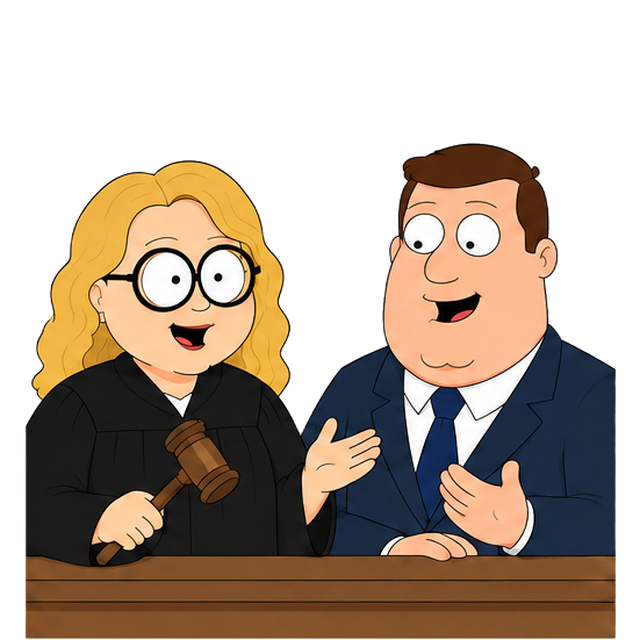
Rehearse out loud with an AI judge and the other side.
5
Collect
Garnishment, the 21-day wait and finding assets.
Planned capabilities
Demand letter help
Start with a letter that often settles it.
Service tracker
Know the papers were served correctly, and when.

Evidence organizer
Receipts, photos and texts ready for the judge.
Collection toolkit
Garnishment forms and plain-language next steps.
From the research to the rehearsal
A judgment is a milestone—not the finish line.
Your small-claims research identifies three separate challenges: deciding whether a claim is worth pursuing, getting the procedure right, and collecting after a win. Preparation needs to cover all three.
Count the real cost
Compare the amount at stake with filing fees, service costs, time away from work, and the practical chance of collection before choosing your next step.
Build a clear evidence story
Organize receipts, messages, agreements, and photos around the facts you need to explain. Practice a short, chronological account instead of reading a pile of papers.
Plan beyond the hearing
Learn what a judgment does—and does not—do. Explore the collection process and check the court’s current forms and requirements before acting.
Research: Small Claims Pain Points. The Albany collection survey and Massachusetts court-user survey describe local samples, not national success rates. Filing and collection requirements vary by jurisdiction.
A coach and a rehearsal room. Never a robot lawyer.
Links to official Michigan legal information
General information for practice, not legal advice
Current signup collects email only
Independent legal-help and crisis resources